
Airbnb Turnover Checklist for Hosts: Room-by-Room Template
An Airbnb turnover checklist is a repeatable, room-by-room task list that turns a messy checkout into a guest-ready unit, verified by photos, in a set window of time. Run it right and a one-bedroom resets in about 45 to 60 minutes, a two-bedroom in 60 to 90 minutes, and a three-bedroom in 90 to 120 minutes once you add laundry and restocking.
Before you touch a duster, do four things:
- Walk the unit for damage or missing items and note anything with a photo.
- Start the washer immediately. Linens and towels take the longest, so laundry can’t wait.
- Flag same-day risk items: stained sheets, empty propane, a broken lock.
- Photograph problem areas before cleaning starts, in case a guest dispute comes up later.
Quick reference: 1-bed ≈ 45-60 min, 2-bed ≈ 60-90 min, 3-bed ≈ 90-120 min, plus laundry and restock time on top.
Key Takeaways
A reliable Airbnb turnover checklist combines a fixed room-by-room sequence, laundry-first timing, par-level restocking, and photo documentation to make every turnover consistent and dispute-proof.
| Point | Details |
|---|---|
| Time benchmarks by size | Plan roughly 45-60 minutes for a 1-bedroom, 60-90 for a 2-bedroom, and 90-120 for a 3-bedroom turnover. |
| Laundry starts first | Begin wash cycles immediately since they’re the tightest constraint on same-day turns. |
| Photo-proof every turnover | Timestamped before-and-after photos protect you against guest disputes and false damage claims. |
| Deep clean three to four times yearly | Schedule full deep cleans quarterly for high-occupancy units, less often for lower-occupancy properties. |
| Professional backup for scale | Limpiezatropical’s Airbnb turnover service offers documented, photo-verified cleanings with a consistent local team for hosts managing multiple units or tight same-day turns. |
Table of Contents
- Why Every Host Needs a Standardized Turnover Checklist
- What Supplies and Tools Should You Keep on Hand?
- What Does a Room-by-Room Turnover Checklist Look Like?
- Which Spots Do Cleaners Miss Most Often?
- What Order Should a Turnover Actually Follow?
- What Should Final Inspection Confirm Before Guests Arrive?
- How Often Should You Deep Clean vs. Just Turn Over?
- How Do You Customize the Checklist for Your Property?
- When Should You Hire a Professional Turnover Cleaner?
- Editorial Take: What Most Turnover Advice Gets Wrong
- Get a Guaranteed, Documented Turnover Every Time
- Frequently Asked Questions
- Sources
Why Every Host Needs a Standardized Turnover Checklist
A checklist turns cleaning quality into something you control instead of something you hope for. When every cleaner follows the same sequence, guests get the same experience whether it’s your regular team or a substitute covering a sick day. That consistency shows up directly in reviews, since cleanliness complaints are one of the fastest ways to tank your rating after an otherwise great stay.
The bigger, less obvious win is time and money saved on rework. A missed task caught by a guest costs you a refund, a bad review, or an emergency same-day fix. A missed task caught by your own final inspection costs five minutes. Operators who run a fixed six-phase sequence from departure assessment through final walkthrough report far fewer surprises than teams working from memory.
- Standardized tasks mean predictable guest experience across every stay.
- Fewer missed items means less backtracking and lower cleaning costs.
- Photo documentation at each stage protects you if a guest disputes a charge or damage claim.
What Supplies and Tools Should You Keep on Hand?
Nothing slows a turnover down like a cleaner hunting for toilet paper in a closet that hasn’t been restocked since March. Build a dedicated turnover caddy, stocked and ready, so every job starts at full speed.
Consumables to stock at par level:
- Toilet paper (at least two rolls per bathroom, plus backups under the sink)
- Hand soap and dish soap
- Trash bags sized to every bin in the unit
- Laundry detergent and stain treatment
- Coffee, tea, sugar packets, and creamer if you provide a starter kit
Cleaning tools and chemicals:
- All-purpose cleaner and a disinfectant spray or wipes for high-touch surfaces
- Microfiber cloths (color coded by room to avoid cross-contamination)
- A vacuum with upholstery and crevice attachments, plus a mop and bucket
- Glass cleaner for mirrors, windows, and shower doors
Optional pro-level gear: a handheld steam cleaner for grout and upholstery, an appliance-specific cleaner for stainless steel, and a grout brush for tile lines that build up grime fast. PPE like disposable gloves and a basic respirator mask matters more than most hosts think, especially during deep cleans involving bleach or oven degreasers.
Pro Tip: Pack a single rolling caddy with everything needed for a standard turnover, and keep a separate bin for restock inventory. Cleaners waste real time walking back and forth to a supply closet, and that time adds up across dozens of turns a month.
If you work with an outside cleaning company, ask upfront whether they supply their own chemicals and equipment. Some hosts prefer keeping their own stock so quality never depends on which vendor shows up.
What Does a Room-by-Room Turnover Checklist Look Like?
This is the operational core of any airbnb cleaning checklist: the actual sequence of tasks, room by room, that gets a unit from “just checked out” to “ready for the next guest.”
Entry and arrival area
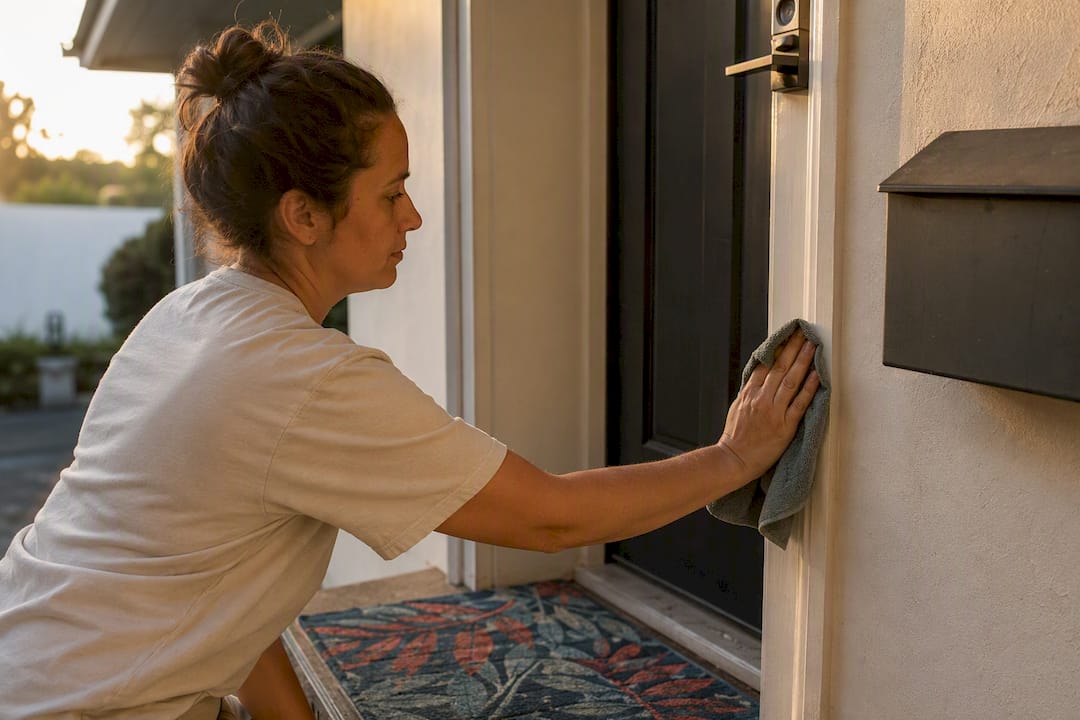
First impressions start at the door. Check that the lock and smart code work, wipe down the entry surface, and confirm welcome materials (guidebook, Wi-Fi password card, any local guides) are in place and undamaged. Replace anything worn or smudged. This is also where you do your initial damage scan, since scuffed walls or a broken doorbell often get noticed here first.
Living areas
Dust every surface, including shelves, picture frames, and lamp bases. Wipe down remote controls and check that they have working batteries. Fluff and reposition cushions, vacuum upholstery, and run the vacuum or mop across the full floor. Reset furniture to its staged position using a reference photo if the layout tends to drift between guests.
Kitchen
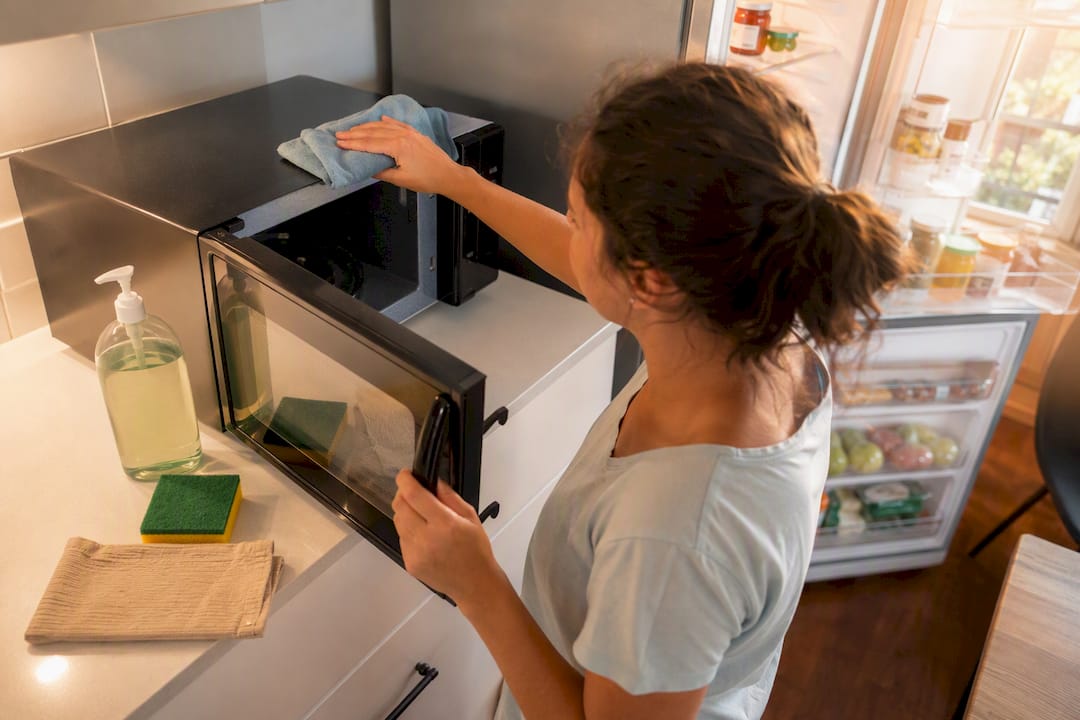
Wash, dry, and put away any dishes left in the sink or dishwasher. Wipe the inside and outside of the microwave, and check the oven and stovetop for spills. Clean counters and backsplash, empty and reline trash bins, and open the fridge to remove anything perishable and wipe down shelves. Restock basics like dish soap, sponges, and paper towels to your set par level.
Bathrooms
Disinfect the toilet, sink, and tub or shower, paying attention to grout lines and fixture buildup, which are common sources of guest complaints. Replace towels and bath mats, and restock toilet paper, soap, and any toiletries you provide. Check under the sink for hair, dust, or leftover guest items.
Bedrooms
Strip and replace all linens, even if the bed looks untouched. Inspect the mattress and mattress protector for stains that need treatment before the next stay. Check under the bed and behind nightstands for lost items or dust buildup, and reset any staged pillows or throws to match your listing photos.
Laundry
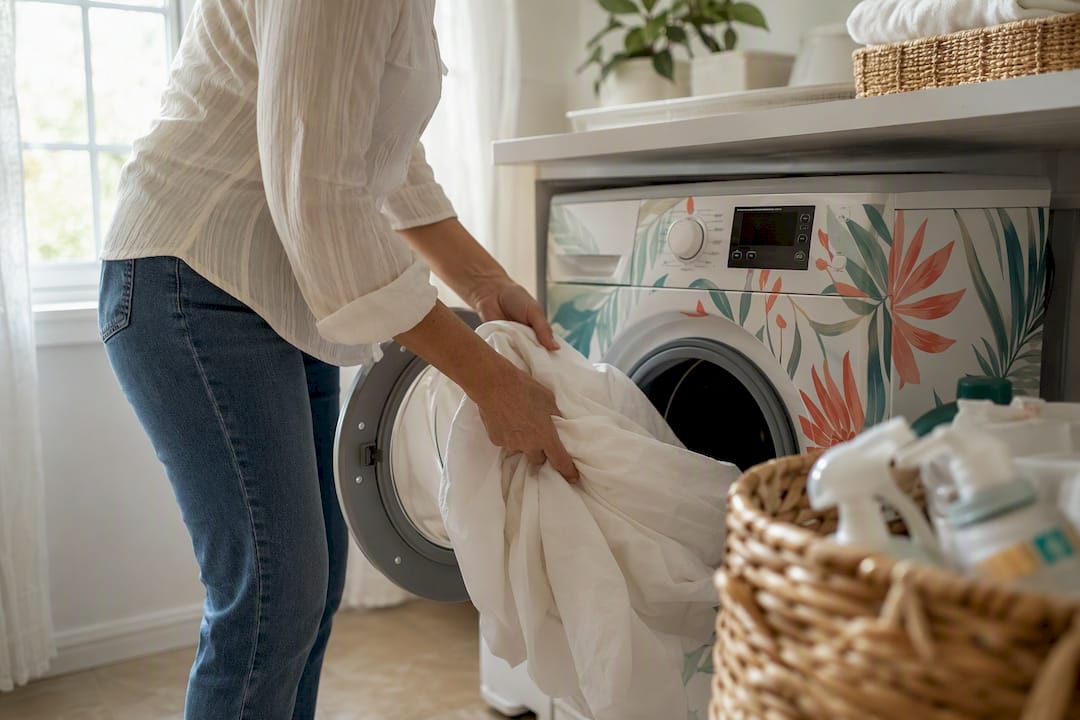
Start your first load the moment you walk in, since wash and dry cycles are the tightest bottleneck in any same-day turn. Rotate linens on a set schedule so nothing stays in circulation past its useful life, and pull any stained items aside for pretreatment rather than tossing them straight into a standard wash.
Outdoor spaces
Sweep patios, porches, or balconies, and wipe down outdoor furniture and railings. If you provide a grill, check propane levels and confirm it’s clean and safe to use. Even a small outdoor space affects a guest’s first impression as much as the interior does.
Non-negotiable priority list, every single turnover:
- Start laundry immediately on arrival
- Complete a damage and safety scan
- Disinfect all bathroom surfaces
- Replace all linens and towels
- Restock consumables to par level
- Take final photo documentation before leaving
Which Spots Do Cleaners Miss Most Often?
Most guest complaints trace back to the same handful of overlooked spots rather than an obviously dirty unit. Under furniture and cushions, remote controls, window tracks, and small consumables top the list across nearly every property type.
- Behind and underneath appliances, especially the fridge and stove
- Ceiling fan blades and vent covers, which collect dust guests notice fast
- Curtain tracks and blind slats
- Light switch plates and door handles
- Under couch cushions and inside recliner mechanisms
- Coffee pods, tea bags, and other small restockable consumables
Add each of these as a specific line item on your checklist rather than a vague “clean living room” entry. A prompt like “check under couch cushions” gets checked; a general instruction gets skipped when someone’s rushing.
Pro Tip: Ask your cleaner to snap a photo of each commonly missed spot before they leave. It takes ten extra seconds and creates a visual habit that sticks far better than a written reminder alone.
What Order Should a Turnover Actually Follow?
The sequence matters as much as the tasks themselves. Cleaning top to bottom and back to front keeps you from re-soiling a surface you already wiped, and starting laundry before anything else keeps the slowest process running in the background while everything else happens.
- Arrival scan (5 minutes): Check for damage, missing items, and start laundry right away.
- Kitchen and bathrooms (20 to 40 minutes): Tackle the dirtiest zones first while surfaces are still workable.
- Living areas and bedrooms (15 to 30 minutes): Dust, vacuum, and reset staging.
- Restock and detail pass (10 to 15 minutes): Fill consumables to par and handle small missed-spot items.
- Final inspection and photos (5 to 10 minutes): Confirm guest-ready status and document with images.
For a two-person team, split by zone rather than by task. One person handles kitchen and bathrooms while the other handles bedrooms and living areas, then both converge for the final walkthrough. Build in a 10 to 15 minute buffer for same-day turns, since a compact 30-minute framework only holds up on well-maintained units with no surprises.
- Laundry runs first and finishes last, so time it against your cleaning pass.
- Top-down cleaning order avoids redoing work.
- Buffers protect you when a guest checks out late or leaves the unit messier than usual.
What Should Final Inspection Confirm Before Guests Arrive?
The final walkthrough is where you catch what the cleaning pass missed. Check that the unit smells neutral, not like cleaning chemicals or, worse, the previous guest. Confirm every light bulb works, the thermostat sits at a comfortable default, and welcome materials are in place.
- All consumables restocked to par (toilet paper, soap, coffee, paper towels)
- Every light switch and bulb tested
- Thermostat set to your standard temperature
- Locks and smart codes functioning
- Wi-Fi connection tested and password visible
- Smoke and carbon monoxide detectors checked
Photo documentation at this stage matters more than most hosts realize. A photo-verified checklist system, where each task gets marked complete with an attached image, creates a timestamped record that protects you against false damage claims and gives you clear evidence if a guest disputes a charge.
Pro Tip: Photograph the same six angles every single turnover, so before-and-after comparisons are consistent and easy to review at a glance.
How Often Should You Deep Clean vs. Just Turn Over?
Not every task belongs on every turnover. Wiping counters and swapping linens happens every single checkout. Checking behind appliances or scrubbing grout can wait for a weekly or monthly pass. Baseboards, vents, and window tracks fall into a deep-clean category.
Most successful operators run three to four full deep cleans per year, adjusted for occupancy and season. A high-turnover unit booked most weekends needs deep cleaning closer to quarterly, while a lower-occupancy property might stretch that to twice a year.
- Every turnover: linens, bathrooms, kitchen surfaces, restocking, trash
- Weekly: appliance exteriors, floor edges, window tracks
- Monthly: behind furniture, vents, ceiling fans
- Seasonal or deep clean: baseboards, grout, oven interior, upholstery steam clean
Watch for warning signs that a unit needs an out-of-cycle deep clean: a lingering odor that basic cleaning won’t fix, grout that’s visibly darkening, or repeated guest mentions of dust in reviews.
How Do You Customize the Checklist for Your Property?
A checklist built for a downtown studio doesn’t fit a four-bedroom beach house, so adjust par levels and task frequency to match your actual property. Pet-friendly listings need an added lint-roller pass and pet-hair check on upholstery. Long-stay units can skip full linen swaps between short gaps but need a deeper restock since guests use more consumables per visit.
- Set par levels per bathroom and bedroom count, not a flat number for every property.
- Add pet-specific tasks if you allow animals: hair removal, odor check, yard scan.
- For paper checklists, laminate a copy and leave it in a utility closet for quick reference.
- For digital versions, a shared checklist app lets cleaners check off tasks and attach photos in real time.
Pro Tip: Keep a laminated quick-reference summary in the unit itself, alongside your full digital template. If a cleaner forgets their phone or the app glitches, the physical copy keeps the standard intact.
Whichever format you choose, hand it to any new cleaner or co-host on day one, walk through it together once, and treat deviations as a training moment rather than a one-off mistake.
When Should You Hire a Professional Turnover Cleaner?
Running your own checklist works well at one or two properties. It gets harder fast once you’re managing several units, juggling same-day turns, or trying to coordinate cleaning from another city. If you’re seeing repeated guest complaints about cleanliness, or you’re constantly stressed about a same-day gap between checkout and check-in, that’s your signal to bring in a professional.
A quality turnover service should include supplies and equipment, verified before-and-after photos, laundry handling, and a backup cleaner on call for sick days or no-shows. Before hiring, ask a provider these questions:
- Do you supply your own cleaning products and equipment?
- Can you guarantee same-day turnaround on short notice?
- Do you provide photo verification after every job?
- What happens if my regular cleaner is unavailable?
Limpiezatropical’s Airbnb turnover cleaning service is built around exactly this kind of accountability, with a local team, supplies included, and documented results for every visit.
Pro Tip: Ask any potential cleaning provider for a sample photo report from a recent job. If they can’t produce one, they likely aren’t documenting turnovers consistently.
Editorial Take: What Most Turnover Advice Gets Wrong
Most turnover guides treat cleaning like a task list to complete. The real leverage is in the sequence, not the tasks themselves. Two cleaners can hit every item on a checklist and still produce wildly different results if one starts with laundry and the other starts with dusting. Order determines whether you’re fighting the clock or working with it.
The other blind spot is photo documentation. Hosts treat it as an afterthought, something to do “if there’s time.” It should be the opposite. A guest dispute without photo evidence is a coin flip. A guest dispute with timestamped before-and-after images is usually resolved in your favor within minutes.
Where I’d push back hardest on conventional wisdom: don’t wait until you’re managing five properties to build a real system. Build the checklist, the photo habit, and the sequence at property one. Scaling a good system is easy. Retrofitting discipline into a chaotic one, while guests are already checking in, is where hosts burn out.
Get a Guaranteed, Documented Turnover Every Time
Running your own checklist is a great start, but staying consistent across every turnover, especially during back-to-back same-day bookings, is where most hosts lose ground. Limpiezatropical’s Airbnb turnover service in Miami handles the entire routine for you: room-by-room cleaning, restocking, and photo-verified completion, so you’re never left guessing whether a unit is truly guest-ready.
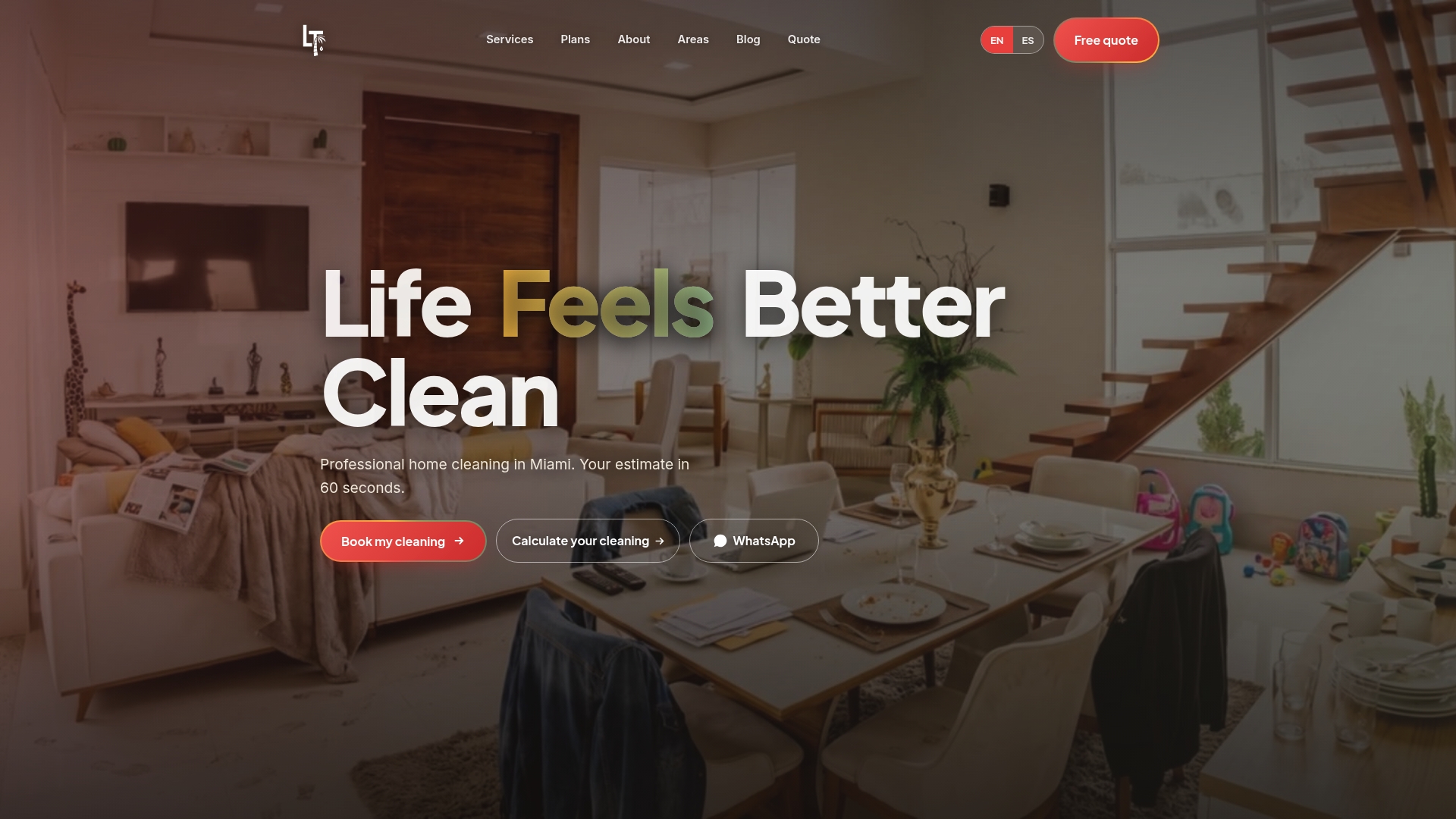
What sets this apart from managing cleaners yourself is the built-in accountability. Every visit comes with a local team assigned to your property, supplies included, and complimentary fridge cleaning on every job, no extra request needed. If you manage multiple units or juggle same-day turns between guests, that consistency removes a real point of stress from your hosting workload.
Get a no-wait quote through Limpiezatropical’s instant estimate tool and see exact pricing for your property in under a minute, no callback required.
Frequently Asked Questions
How long should an Airbnb turnover take? A one-bedroom unit typically takes 45 to 60 minutes, a two-bedroom 60 to 90 minutes, and a three-bedroom 90 to 120 minutes, not counting laundry cycles running in the background.
What’s the most important task to never skip during a turnover? Starting laundry immediately and completing a full damage and safety scan before cleaning begins. Both protect your timeline and your liability if something’s wrong with the unit.
Do I need photos for every turnover, or just when something looks off? Every turnover. Consistent before-and-after photos create a pattern that’s far more credible in a dispute than photos taken only when a problem is suspected.
How often should I deep clean my Airbnb versus just running a standard turnover? Most hosts deep clean three to four times a year, more often for high-occupancy properties. Standard turnovers handle daily wear; deep cleans handle baseboards, vents, and buildup that accumulates over months.
Should I make cleaners bring their own supplies or should I stock the unit? Either works, but stocking your own supplies means quality never depends on which vendor or substitute cleaner shows up. If you hire a professional service, ask upfront which approach they use.
Sources
For a deeper dive into room-by-room templates, timing benchmarks, and photo-proof workflows, these guides informed much of the approach above:
- Airbnb Turnover Checklist: The 30-Minute Property Reset | VeriStay Blog
- Airbnb Turnover Checklist | Hostaway | Short-Term, Airbnb & Vacation Rental Management Software
- The Ultimate Short Term Rental Cleaning & Turnover Guide (2026 Edition)
- Airbnb Turnover Checklist (2026): Free Room-by-Room Download
- Airbnb Turnover Checklist | Short-Term Rental Cleaning | Leasense